
Easter has long been a turning point in the home improvement calendar. As the weather improves and daylight hours extend, many homeowners take the opportunity to begin long-awaited renovation projects. The Easter holiday period—often including a four-day bank holiday weekend, alongside additional time off work and school holidays—gives families a practical window to get started. With children off school and teachers on break, it’s common for households to coordinate time together, making it an ideal moment to take on larger or more involved home improvements.
Whether it’s a kitchen refit, extension, or full property overhaul, one aspect that is often overlooked is the need for temporary welfare and toilet facilities.
Keeping Projects Running Smoothly
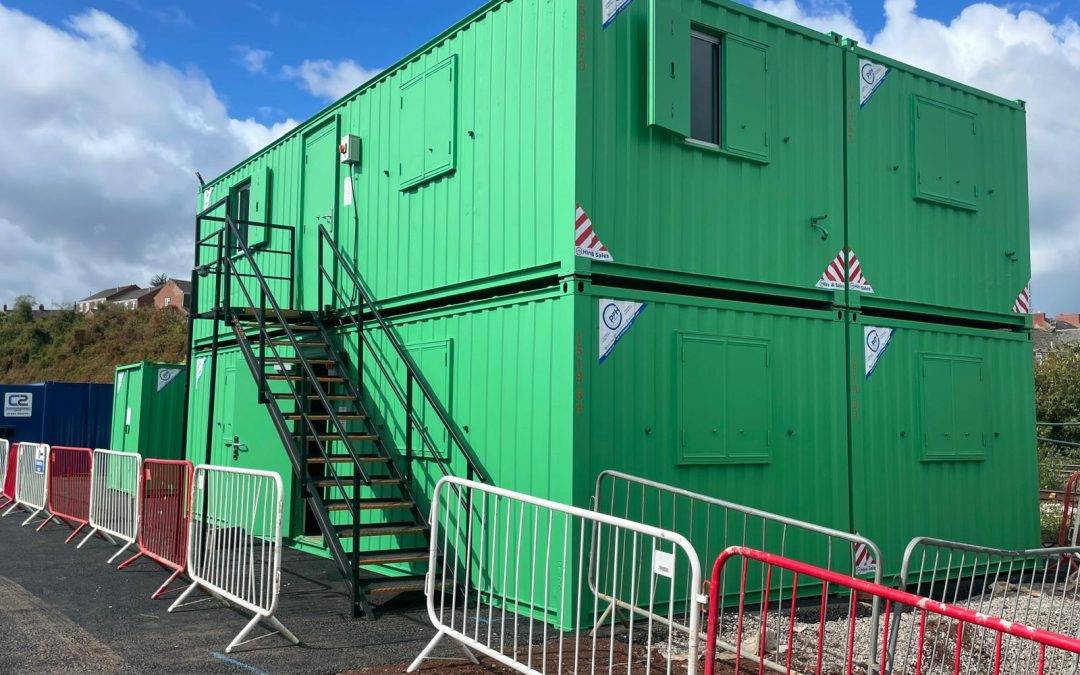
Home renovations frequently mean that essential facilities—such as toilets and washing areas—are temporarily out of action. This can quickly become impractical for both homeowners and contractors. Temporary welfare units provide a straightforward solution, offering self-contained spaces that include toilets, wash basins, and rest areas.
Modern units are designed to be fully functional from the moment they arrive. Many include features such as hot water, lighting, and heating, ensuring usability regardless of the season. This removes the need for tradespeople to leave site in search of facilities, helping to maintain productivity and keep projects on schedule.
A Practical Solution for Busy Homes
Easter renovations often coincide with school holidays, meaning homes are busier than usual. When kitchens or bathrooms are out of action, day-to-day routines can quickly become difficult—especially for families remaining in the property during the work.
Temporary welfare units and toilet facilities are not just for contractors; they provide a practical solution for households as well. Having access to a clean, private toilet and washing space outside the main home helps maintain a level of normality, even while major works are underway.
For projects involving full bathroom refits or kitchen replacements, this can be particularly valuable. Instead of relying on neighbours, local facilities, or makeshift arrangements, families can continue their routines with minimal inconvenience.
At the same time, providing separate facilities for tradespeople helps keep the main living space cleaner and more organised. It creates a clearer boundary between the worksite and the home, which is especially useful during longer or more complex renovations.
Supporting Health, Safety and Compliance
Even on smaller domestic projects, there are expectations around providing appropriate welfare for workers. Access to toilets, handwashing facilities, and rest areas is essential for maintaining hygiene and wellbeing.
Welfare units are specifically designed to meet these needs. They provide clean water, sanitation, and space for breaks, supporting a safer and more organised working environment. For homeowners managing their own projects or coordinating contractors, this is a practical way to meet responsibilities without adding complexity.
Flexible Options for Any Project Size
One of the key advantages of temporary welfare and toilet hire is flexibility. Units are available in a range of sizes and configurations, from compact mobile options to larger static setups with integrated facilities.
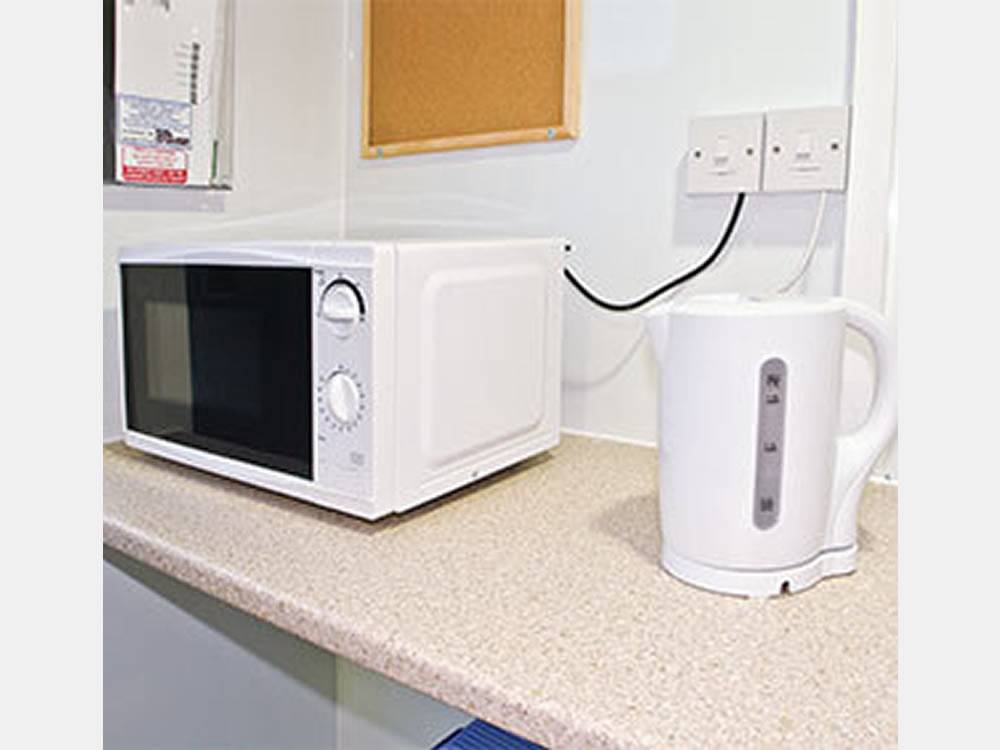
Self-contained welfare units can combine toilets, seating areas, and basic kitchen amenities in one space, effectively creating a central hub on-site. Options are available to suit both short-term projects and longer renovations, with environmentally conscious models also offering reduced fuel usage and lower emissions.
Planning Ahead for a Better Build
Easter may be an ideal time to start a renovation, but planning remains essential. Factoring in temporary welfare and toilet provision early in the process helps avoid delays and ensures that both homeowners and contractors can work comfortably from the outset.
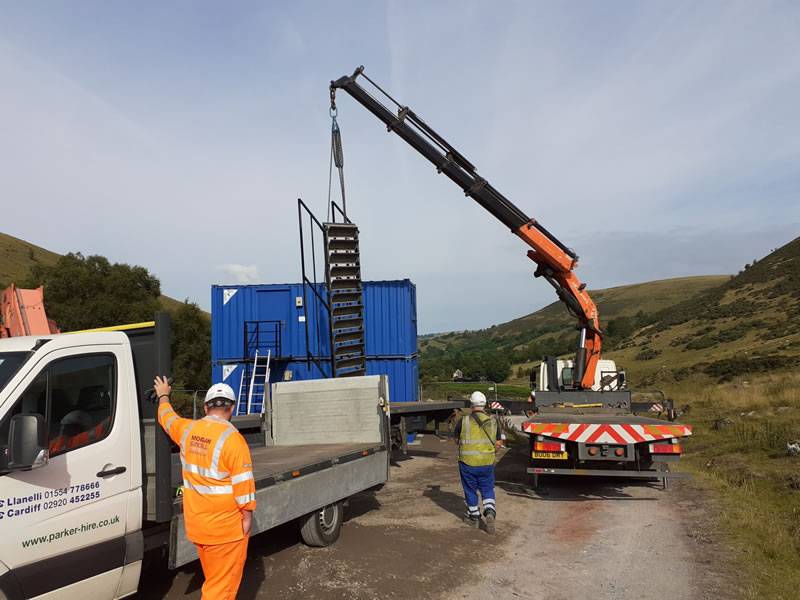
With reliable delivery, straightforward setup, and adaptable options, temporary facilities are no longer limited to large construction sites. They are a practical addition to any home renovation, helping to keep projects efficient, organised, and easier to manage from start to finish.